Erectile Dysfunction as a Medical Condition: Safe and Effective Treatments
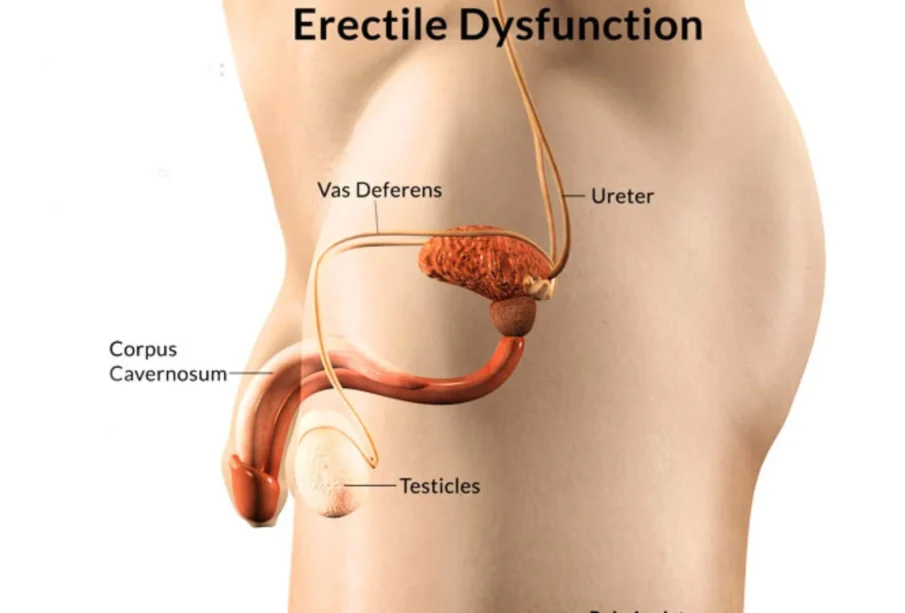
Erectile dysfunction (ED) is more than an occasional performance issue—it is a recognized medical condition that can signal underlying health problems and significantly affect quality of life. While it becomes more common with age, ED is not an inevitable part of aging and is often treatable with safe, evidence-based approaches.
Understanding ED as a medical issue rather than a personal failing is the first step toward effective management and long-term improvement.
Understanding Erectile Dysfunction
Erectile dysfunction is defined as the persistent inability to achieve or maintain an erection firm enough for satisfactory sexual activity. To qualify as a medical concern, symptoms typically persist for several weeks or months.
An erection depends on a complex interaction between:
-
Blood vessels
-
Nerves
-
Hormones
-
Psychological factors
Disruption in any of these systems can lead to erectile difficulties.
Common Causes of Erectile Dysfunction
ED is often multifactorial, meaning several contributing factors may exist at the same time.
Physical Causes
-
Cardiovascular disease and reduced blood flow
-
Diabetes and nerve damage
-
High blood pressure
-
Hormonal imbalances, including low testosterone
-
Obesity and metabolic syndrome
-
Certain medications (antidepressants, blood pressure drugs)
Psychological Causes
-
Stress and chronic anxiety
-
Depression
-
Performance anxiety
-
Relationship issues
-
Past sexual trauma
Lifestyle-Related Factors
-
Smoking and tobacco use
-
Excessive alcohol consumption
-
Sedentary lifestyle
-
Poor sleep patterns
Identifying the root cause is essential for choosing the most effective treatment.
When to Seek Medical Attention
Medical evaluation is recommended when:
-
ED occurs consistently
-
Symptoms worsen over time
-
There is a sudden onset without clear explanation
-
ED is accompanied by reduced libido or other hormonal symptoms
ED can be an early warning sign of heart disease, making timely assessment especially important.
Safe and Effective Treatment Options
Modern medicine offers multiple safe and effective treatments tailored to the underlying cause and individual health profile.
Oral Medications
Prescription medications are often the first-line treatment for ED. These drugs improve blood flow to the penis during sexual stimulation.
Key benefits include:
-
High success rates
-
Non-invasive use
-
Proven safety when prescribed appropriately
Medical supervision is essential, especially for individuals with heart conditions or those taking nitrate medications.
Lifestyle Modifications
For many men, lifestyle changes significantly improve erectile function and overall health.
Effective strategies include:
-
Regular cardiovascular exercise
-
Weight loss and balanced nutrition
-
Smoking cessation
-
Limiting alcohol intake
-
Improving sleep quality
These changes also reduce the risk of chronic diseases linked to ED.
Psychological Counseling and Therapy
When mental health factors contribute to ED, therapy can be highly effective.
Counseling may help address:
-
Performance anxiety
-
Depression or chronic stress
-
Relationship communication issues
Cognitive-behavioral therapy and sex therapy are commonly recommended approaches.
Hormonal Treatment
If low testosterone or other hormonal imbalances are identified through testing, hormone replacement therapy may be considered under medical supervision.
This option is only appropriate when a confirmed deficiency exists and requires ongoing monitoring.
Medical Devices and Advanced Therapies
For cases where oral medications are ineffective or unsuitable, additional options include:
-
Vacuum erection devices
-
Injectable medications
-
Intraurethral therapies
-
Surgical implants (reserved for severe or treatment-resistant cases)
These treatments are supported by clinical evidence and prescribed based on individual needs.
Safety Considerations and Myths
Not all ED treatments are safe. Unregulated supplements and “natural enhancers” marketed online often lack scientific validation and may contain harmful substances.
Key safety tips:
-
Avoid self-medicating without diagnosis
-
Be cautious of products promising instant cures
-
Always consult a licensed healthcare professional
Evidence-based treatments remain the safest and most reliable approach.
The Importance of Open Communication
Discussing ED openly with a healthcare provider leads to better outcomes. Honest conversations also reduce stigma, encourage early diagnosis, and improve treatment success.
ED is a treatable medical condition, not a personal weakness.
Frequently Asked Questions (FAQ)
Can erectile dysfunction be completely cured?
In many cases, ED can be reversed or significantly improved, especially when underlying causes are identified and treated early.
Is erectile dysfunction always related to aging?
No. While age increases risk, ED can occur at any adult age and is often linked to health or lifestyle factors.
Are ED medications safe for long-term use?
When prescribed and monitored by a healthcare professional, ED medications are generally safe for long-term use.
Can stress alone cause erectile dysfunction?
Yes. Chronic stress and anxiety can interfere with nerve signals and blood flow, leading to temporary or persistent ED.
Does erectile dysfunction affect fertility?
ED does not directly cause infertility, but it can interfere with successful conception by limiting sexual activity.
How long does treatment usually take to show results?
Some treatments work within hours, while lifestyle changes and therapy may take weeks to months for noticeable improvement.
Should I see a doctor even if symptoms are mild?
Yes. Early evaluation can prevent progression and may uncover underlying health conditions that benefit from early treatment.