Why Yoga Is Becoming Part of Preventive Wellness for Singapore’s Urban Adults
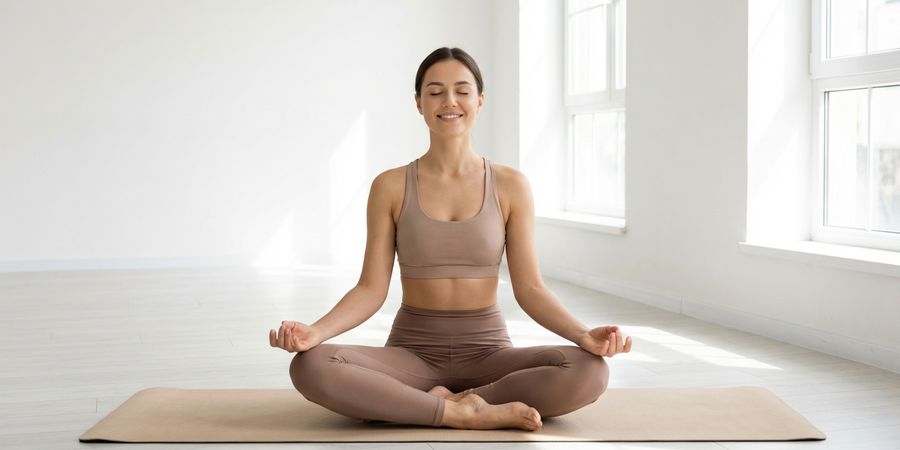
Preventive wellness is no longer only about medical checkups, supplements, and yearly fitness goals. More adults now understand that daily movement, stress control, breathing quality, sleep, and posture all affect long-term health. This is why people searching for yoga Singapore options are often looking for a practical way to stay healthier before discomfort, burnout, or stiffness becomes a bigger problem.
In a fast-moving urban environment, the body absorbs a lot of pressure. People sit for long hours, work on screens, commute, eat quickly, sleep late, and spend little time on intentional movement. These habits may look normal, but over time they affect mobility, energy, mood, and physical comfort. Yoga offers a preventive approach because it helps people build awareness before the body starts sending stronger warning signs.
Why Preventive Wellness Matters More Than Ever
Many adults wait until something hurts before they pay attention to their health. A stiff back, tight shoulders, poor sleep, low energy, or anxiety may be treated as temporary. But these issues often come from repeated daily patterns.
Preventive wellness means taking small actions consistently so the body and mind remain more balanced. It is not about doing extreme routines. It is about creating habits that reduce unnecessary strain.
Yoga fits this approach because it combines several important elements in one practice. It supports mobility, strength, balance, breath awareness, and relaxation. These are areas that many people neglect until they become problems.
How Modern City Life Affects the Body
Urban adults often live in a pattern of physical stillness and mental overload. The body sits, while the mind runs constantly. This creates a strange imbalance. A person may feel mentally exhausted but physically underused.
Long sitting can tighten the hips, weaken the core, round the shoulders, and strain the neck. Screen use can affect posture and breathing. Work stress can keep the body tense even after office hours.
Over time, these small stresses can affect daily comfort. People may wake up stiff, feel tired by afternoon, or struggle to relax at night. Yoga helps by moving the body in ways that daily life does not.
Yoga as a Mobility Maintenance Practice
Mobility is one of the most important parts of preventive health. When joints move well and muscles remain active, daily life becomes easier. People can bend, reach, walk, sit, and exercise with less restriction.
Yoga supports mobility through controlled movement. It includes forward folds, twists, lunges, balances, spinal movements, and gentle holds. These patterns help keep the body functional.
This matters because mobility loss often happens quietly. A person may not notice tight hips or stiff shoulders until a simple activity becomes uncomfortable. Regular yoga helps people notice and address these changes earlier.
Stress Control as Preventive Care
Stress is not only a mental issue. It affects the body’s systems. It can disturb sleep, digestion, breathing, appetite, and muscle tension. When stress is constant, the body does not recover well.
Yoga offers a structured way to interrupt stress patterns. Breath-led movement can help calm the nervous system. Slower practices can create space for mental recovery. Even stronger yoga classes can support stress control when practiced with awareness.
The preventive value comes from repetition. A person who regularly practices yoga may become better at noticing tension before it builds. They may also develop healthier responses to pressure.
Building Strength Without Overtraining
Preventive wellness also requires strength. Weakness in the core, hips, back, and shoulders can contribute to poor movement patterns. However, not everyone wants heavy gym training or high-impact exercise.
Yoga builds strength through bodyweight control. Standing poses, planks, balances, and slow transitions require stability. This type of strength is useful because it supports everyday movement.
The goal is not to push the body aggressively. The goal is to build reliable strength that supports posture, balance, and movement quality.
Why Breathing Quality Matters
Many adults breathe shallowly without realizing it. Stress, poor posture, and screen use can all reduce breathing quality. Shallow breathing may contribute to tension and restlessness.
Yoga brings attention back to the breath. Students learn to connect movement with inhalation and exhalation. This can improve body awareness and help the mind slow down.
Breathing practice is preventive because it gives people a tool they can use outside class. A steady breath can help during stressful meetings, traffic, difficult conversations, or before sleep.
Making Yoga a Sustainable Health Habit
The best preventive wellness habits are realistic. They do not depend on short bursts of motivation. They fit into weekly life.
Yoga can be practiced once, twice, or several times a week depending on schedule and goals. Some people prefer active classes. Others need slower sessions. The flexibility of yoga makes it easier to build consistency.
People should choose classes that match their current body, not an ideal version of themselves. A sustainable practice should feel supportive, not punishing.
Choosing the Right Yoga Environment
A good yoga environment should help students feel guided, safe, and consistent. The teacher should offer clear instructions. The class should match the student’s level and goals. The space should feel calm enough to support focus.
For adults who want yoga as part of preventive wellness in Singapore, Yoga Edition can fit into a routine built around mobility, breath, stress control, and long-term body care.
FAQs
Can yoga be used as preventive wellness?
Yes. Yoga can support mobility, posture, breathing, strength, stress control, and body awareness, which are all important for preventive health.
Is yoga enough for long-term health?
Yoga can be a strong part of a health routine. Some people combine it with walking, strength training, balanced nutrition, and regular medical checkups.
How often should adults practice yoga?
One to three classes per week can be useful for many adults. The best frequency depends on schedule, energy, and goals.