How Protein-Rich Diets Support Fat Loss Without Starvation
Losing fat does not have to mean constant hunger, low energy, or extreme calorie restriction. A protein-rich diet offers a practical, science-backed way to reduce body fat while preserving muscle and maintaining satisfaction. When used correctly, protein becomes a powerful ally in sustainable fat loss rather than a short-term fix.
Why Protein Plays a Key Role in Fat Loss
Protein affects fat loss differently than carbohydrates or fats. It directly influences hunger hormones, metabolism, and muscle retention.
Higher Satiety, Less Hunger
Protein is the most satiating macronutrient, meaning it helps you feel full for longer periods. It reduces levels of ghrelin (the hunger hormone) and increases appetite-suppressing hormones such as peptide YY and GLP-1.
What this means in practice:
-
Fewer cravings between meals
-
Reduced urge to snack late at night
-
Easier calorie control without conscious restriction
Protein Boosts Calorie Burning Through Thermogenesis
Digesting protein requires more energy than digesting carbs or fats. This effect, known as the thermic effect of food (TEF), increases daily calorie expenditure.
-
Protein burns 20–30% of its calories during digestion
-
Carbohydrates burn around 5–10%
-
Fats burn only 0–3%
While this may seem small, it adds up over weeks and months, supporting fat loss without extra effort.
Preserving Muscle While Losing Fat
One of the biggest risks of dieting is muscle loss. Protein protects lean tissue, especially during calorie deficits.
Why Muscle Preservation Matters
-
Muscle keeps metabolism higher
-
More muscle improves body composition
-
Prevents the “skinny fat” appearance
A protein-rich diet combined with resistance training signals the body to burn stored fat instead of muscle tissue.
Protein Stabilizes Blood Sugar Levels
Meals higher in protein slow down digestion and reduce blood sugar spikes. This leads to steadier energy levels and fewer cravings.
Benefits include:
-
Reduced insulin spikes
-
Less fat storage
-
Improved focus and energy throughout the day
Stable blood sugar makes consistent fat loss easier and more sustainable.
Protein Supports Fat Loss Without Extreme Calorie Cuts
Instead of drastic dieting, protein allows a moderate calorie deficit while maintaining satisfaction.
People who eat adequate protein tend to:
-
Eat fewer calories naturally
-
Stick to diets longer
-
Experience less diet fatigue
This approach removes the feeling of starvation that causes many diets to fail.
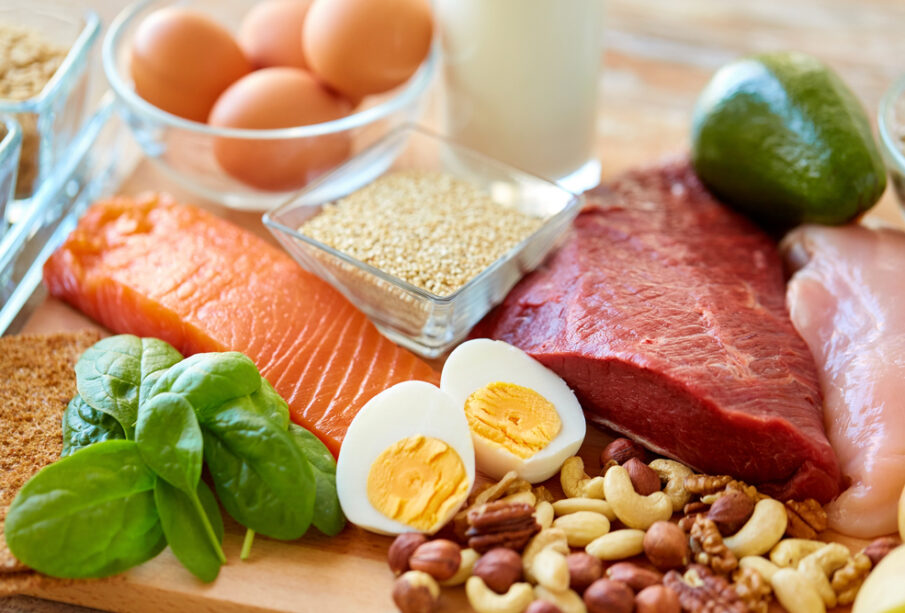
Best Protein Sources for Fat Loss
Choosing high-quality protein sources maximizes benefits without excess calories.
Lean Animal-Based Proteins
-
Chicken breast
-
Turkey
-
Fish (salmon, tuna, cod)
-
Eggs and egg whites
-
Low-fat Greek yogurt
Plant-Based Protein Options
-
Lentils and chickpeas
-
Tofu and tempeh
-
Edamame
-
Quinoa
-
Beans and peas
How Much Protein Is Ideal for Fat Loss?
Most research suggests 0.6–0.8 grams of protein per pound of lean body weight for fat loss, depending on activity level.
Simple Guidelines
-
Sedentary individuals: Moderate protein intake
-
Active individuals: Higher protein intake
-
Strength training: Protein intake should be prioritized
Spreading protein evenly across meals improves absorption and satiety.
Common Mistakes to Avoid on a Protein-Rich Diet
Even protein-focused diets can fail if approached incorrectly.
Avoid these pitfalls:
-
Relying only on protein powders
-
Ignoring fiber and vegetables
-
Consuming excessive calories from fatty proteins
-
Skipping strength training
Balance and consistency matter more than extremes.
Frequently Asked Questions
1. Can a protein-rich diet work without exercise?
Yes, fat loss can occur without exercise, but combining protein intake with resistance training improves results and preserves muscle mass.
2. Does eating too much protein cause fat gain?
Excess calories from any source can lead to fat gain, but protein is less likely to be overeaten due to its high satiety effect.
3. Is protein at night bad for fat loss?
No. Consuming protein at night can reduce late-night cravings and support muscle recovery, especially if total calories remain controlled.
4. Are protein supplements necessary?
Supplements are optional. Whole foods should be prioritized, but protein powders can help meet daily intake when needed.
5. Can protein-rich diets slow metabolism?
No. Protein helps preserve muscle, which supports a healthy metabolic rate rather than slowing it down.
6. How long does it take to see fat loss results?
Many people notice reduced hunger within days and visible fat loss within 2–4 weeks when protein intake is consistent.
7. Is a high-protein diet safe long term?
For healthy individuals, a balanced protein-rich diet is generally safe and sustainable when combined with adequate hydration and nutrient variety.