The Science Behind Chronic Pain Relief You Didn’t Know

Chronic pain is one of the most pervasive health issues worldwide, affecting millions of individuals in varying degrees. Unlike acute pain, which typically arises from an injury and fades as the body heals, chronic pain lingers long after the injury has healed or can even appear without any clear cause. For those suffering from conditions like arthritis, fibromyalgia, back pain, and neuropathy, managing chronic pain can feel like a constant battle. The science behind chronic pain and its relief, however, has advanced significantly, offering new and innovative approaches to managing this complex and often debilitating condition. This article will delve into the science of chronic pain, highlighting lesser-known mechanisms and breakthrough treatments that are improving the lives of many patients.
The Complexity of Chronic Pain
At its core, pain is a signal from the nervous system, alerting the body to potential harm. In a typical situation, pain is acute: a stubbed toe, a paper cut, or a twisted ankle sends immediate and obvious signals to the brain. The pain typically fades once the injury heals, and the body returns to normal. Chronic pain, however, is different. It persists for months or even years, and often with no clear cause.
The science behind chronic pain is rooted in the intricate workings of the nervous system, which includes the brain, spinal cord, and peripheral nerves. Normally, pain is a protective mechanism that warns the body of injury or potential harm. However, in chronic pain conditions, the system becomes “sensitized.” This means that the pain receptors in the brain and spinal cord become more responsive over time, even in the absence of an injury.
Several factors contribute to this hypersensitivity:
-
Neuroplasticity: The brain can physically alter its wiring and rewire itself in response to constant stimuli. In chronic pain sufferers, the neural pathways associated with pain become strengthened, making pain feel more intense or even felt without any physical cause.
-
Central Sensitization: The spinal cord and brain become “hyperactive” in response to prolonged pain signals. As a result, stimuli that would normally be benign, such as touch or pressure, can be interpreted as painful, leading to an exaggerated response to everyday sensations.
-
Inflammation: Conditions like arthritis, fibromyalgia, and nerve damage can lead to chronic inflammation in the body. Inflammation triggers the release of certain chemicals that sensitize nerves, exacerbating the sensation of pain.
-
Psychological Factors: The emotional and psychological toll of chronic pain cannot be underestimated. Anxiety, depression, and stress can amplify pain signals in the brain, creating a vicious cycle. This connection between mind and body is often referred to as the biopsychosocial model of pain.
Emerging Approaches to Chronic Pain Relief
While managing chronic pain used to mean relying heavily on pain medications like opioids or anti-inflammatory drugs, the landscape of treatment has expanded significantly. Today, a combination of medical, physical, and psychological therapies are being used to help alleviate pain in more sustainable and holistic ways.
1. Neuromodulation: Resetting the Brain’s Pain Signals
One of the most exciting and innovative approaches to chronic pain relief involves neuromodulation. This technique seeks to modify the nerve signals that are sent to the brain to reduce the sensation of pain.
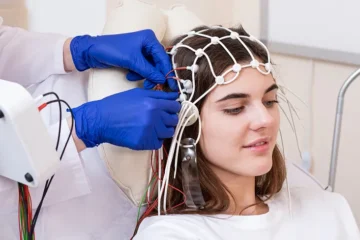
Transcranial Magnetic Stimulation (TMS), for example, is a non-invasive technique that uses magnetic fields to stimulate specific areas of the brain involved in pain processing. This method has shown promise in treating conditions like fibromyalgia, depression, and even chronic migraines. By altering the brain’s electrical activity, TMS helps “reset” the brain’s response to pain, providing relief to many patients.
Similarly, spinal cord stimulation (SCS) is another form of neuromodulation that has been effective in treating chronic back and leg pain. It involves implanting a small device that sends electrical pulses to the spinal cord to interfere with pain signals before they reach the brain. The result is a reduction in pain perception for many patients who have not found relief with other treatments.
2. Targeted Drug Therapy: Beyond Opioids
Traditional pain medications like opioids have long been the go-to for pain relief. However, their effectiveness diminishes over time, and their addictive properties have led to a public health crisis. The focus is now shifting towards developing more targeted therapies that can address the underlying causes of chronic pain without the risks associated with opioids.
One promising development in this area is capsaicin. Derived from chili peppers, capsaicin has been found to deplete substance P, a chemical that transmits pain signals to the brain. Creams or patches containing capsaicin are now being used for conditions like post-herpetic neuralgia (pain following shingles) and arthritis. Regular use can help desensitize nerve endings, offering long-term relief from chronic pain.
Another area of research is targeted cannabinoids, such as those derived from medical marijuana. Cannabinoids interact with the body’s endocannabinoid system, which plays a role in regulating pain and inflammation. Studies have suggested that cannabinoids can reduce pain and inflammation in conditions like multiple sclerosis, fibromyalgia, and chronic pain from cancer.
3. Physical Therapy and Movement: Restoring Mobility and Function
Physical therapy has long been an essential part of managing chronic pain, especially when it involves musculoskeletal issues like back pain or arthritis. However, recent advancements in movement science have revealed how certain exercises and physical modalities can directly influence pain perception at a neurological level.
Mind-body techniques such as yoga, tai chi, and Pilates have been found to reduce pain and improve function in patients with chronic pain. These practices promote flexibility, strength, and mindfulness, which help reduce tension and alleviate the psychological burden of chronic pain. In particular, yoga has been shown to enhance spinal health, improve circulation, and release endorphins, all of which contribute to pain relief.
Aquatic therapy, where patients perform exercises in water, is another highly effective approach. The buoyancy of the water reduces strain on joints and muscles, allowing for more comfortable movement and rehabilitation. This is especially beneficial for patients with conditions like arthritis and fibromyalgia.
4. Psychological Approaches: Treating the Mind and Body
The mind-body connection plays a crucial role in chronic pain management. Chronic pain is often exacerbated by emotional and psychological factors such as stress, anxiety, and depression. Cognitive Behavioral Therapy (CBT) is one of the most well-established psychological interventions for chronic pain. CBT focuses on changing negative thought patterns that can intensify the perception of pain. By teaching patients to reframe their thinking, CBT can significantly reduce the emotional and psychological burden of chronic pain, improving overall quality of life.
Other psychological approaches, like mindfulness-based stress reduction (MBSR) and biofeedback, have been found to reduce the intensity of pain and help patients develop better coping strategies. Mindfulness practices encourage individuals to focus on the present moment, which can reduce rumination and the amplification of pain. Similarly, biofeedback teaches patients to control physiological processes like heart rate and muscle tension, helping them manage pain triggers more effectively.
5. Stem Cell Therapy: Regenerating Damaged Tissues
Stem cell therapy has garnered attention as a potential treatment for chronic pain caused by degenerative diseases like osteoarthritis or disc degeneration in the spine. The idea is that stem cells can regenerate damaged tissues, promoting healing and reducing inflammation at the site of injury.
Research into the use of mesenchymal stem cells (MSCs) for joint pain and nucleus pulposus cells for disc regeneration is still in its infancy, but early studies show promising results. By injecting these cells into damaged tissues, patients may experience reduced pain and improved function without the need for invasive surgeries or long-term medication.
Conclusion: The Bright Future of Chronic Pain Relief
Chronic pain is a complex and multifaceted issue that affects millions of people worldwide. However, thanks to advances in medical research, new treatments are providing hope for long-term relief. From neuromodulation techniques to targeted drug therapies and psychological approaches, the landscape of chronic pain management is evolving rapidly.
What’s clear is that a one-size-fits-all approach no longer suffices. Chronic pain management is becoming more personalized, with treatments tailored to each patient’s specific needs and condition. As research continues, it’s likely that even more innovative therapies will emerge, offering better, safer, and more effective ways to manage and alleviate chronic pain. Ultimately, the goal is not only to reduce pain but to enhance the overall quality of life for those who suffer from it.