Top 10 PCOS Diets That Save Time
Polycystic Ovary Syndrome (PCOS) is a common hormonal disorder that affects women of reproductive age. One of the main challenges of managing PCOS is its wide array of symptoms, which can include irregular periods, weight gain, acne, hair loss, and difficulty with insulin regulation. While there is no one-size-fits-all solution for PCOS, a well-balanced diet can play a crucial role in managing the condition. However, for those juggling busy lives, finding a PCOS-friendly diet that is both effective and time-efficient can be a challenge. Fortunately, there are several approaches that combine the best of nutrition for PCOS management with practical, time-saving strategies.
In this article, we explore the top 10 PCOS diets that not only support hormonal balance and overall health but also save time, making it easier to incorporate healthy eating into a busy lifestyle.
1. The Low-Glycemic Index (GI) Diet
For women with PCOS, managing insulin resistance is often a key concern. The Low-Glycemic Index (GI) diet focuses on foods that cause a slower, steadier rise in blood sugar levels. Foods with a low GI, such as whole grains, legumes, non-starchy vegetables, and fruits, help to control insulin spikes and support hormonal balance.
Why It Saves Time: By prioritizing whole, minimally processed foods that are naturally low on the glycemic index, meal planning becomes simpler. Meals can be made from basic ingredients such as oats, quinoa, lentils, and leafy greens, all of which can be prepared in batches, reducing cooking time throughout the week.
Example: A quick, low-GI breakfast might include overnight oats topped with chia seeds, berries, and a drizzle of almond butter, while lunch could be a quinoa salad with roasted vegetables and chickpeas.
2. The Mediterranean Diet
The Mediterranean diet is rich in healthy fats, fiber, and antioxidants, which can help reduce inflammation—a common issue in PCOS. It emphasizes the consumption of whole grains, healthy fats like olive oil and nuts, lean proteins such as fish, and a variety of colorful fruits and vegetables.
Why It Saves Time: Mediterranean meals are simple, full of fresh ingredients, and require minimal preparation. One-pot meals such as Mediterranean-style baked salmon with roasted vegetables or chickpea salad can be prepared in under 30 minutes. Many of these dishes are also perfect for meal prepping, making them ideal for busy individuals.
Example: A Mediterranean lunch might consist of a tuna salad with mixed greens, cucumbers, tomatoes, olives, and olive oil dressing, all ready in 15 minutes.
3. The Anti-Inflammatory Diet
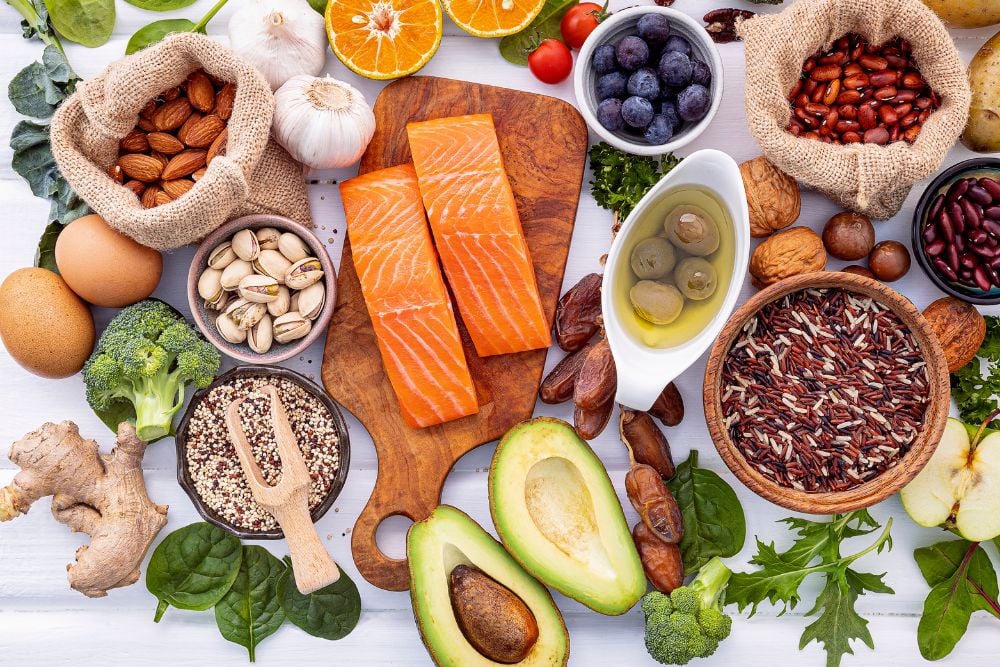
Chronic inflammation is often linked to the hormonal imbalances seen in PCOS. The anti-inflammatory diet focuses on foods that are rich in omega-3 fatty acids, antioxidants, and polyphenols, which help to fight inflammation in the body. Key foods include fatty fish (like salmon), walnuts, flaxseeds, berries, turmeric, and green tea.
Why It Saves Time: Many anti-inflammatory foods are versatile and can be easily incorporated into daily meals without significant time investment. Adding a handful of walnuts to your breakfast, tossing some turmeric into your roasted vegetables, or sipping on green tea between meals are quick, effortless ways to reduce inflammation.
Example: A salmon fillet with a side of sautéed spinach and a cup of green tea is a delicious, anti-inflammatory dinner that takes only 20 minutes to prepare.
4. The Paleo Diet
The Paleo diet advocates for eating like our ancient ancestors, focusing on whole, unprocessed foods. It eliminates processed foods, refined sugars, and grains, making it a great option for women with PCOS who need to stabilize their blood sugar levels. Protein-rich foods, healthy fats, fruits, and vegetables are staples of this diet.
Why It Saves Time: The Paleo diet revolves around simple, whole foods that are easy to prepare. You can make large batches of roasted vegetables, grilled meats, and salads, which can then be enjoyed throughout the week. Plus, the diet encourages you to cook fresh, wholesome meals that are quick to prepare.
Example: A quick Paleo dinner could be a chicken stir-fry with broccoli, bell peppers, and cauliflower rice, all of which can be cooked in one pan in under 30 minutes.
5. The Plant-Based Diet
A plant-based diet, which emphasizes whole vegetables, fruits, legumes, nuts, and seeds, can be beneficial for women with PCOS. It is rich in fiber, antioxidants, and phytonutrients that support hormonal balance, reduce inflammation, and aid in weight management.
Why It Saves Time: Plant-based meals often involve fewer cooking steps and can be easily prepared in bulk. For example, you can make a large pot of lentil soup, which can be consumed for several meals, or throw together a quick vegetable stir-fry with tofu or tempeh.
Example: A quick, nutrient-packed dinner might include a chickpea and spinach curry with a side of quinoa, which comes together in under 30 minutes.
6. The DASH Diet (Dietary Approaches to Stop Hypertension)
While originally designed to help reduce blood pressure, the DASH diet also works well for managing PCOS. It focuses on a balanced intake of fruits, vegetables, whole grains, lean proteins, and low-fat dairy. The DASH diet helps to stabilize blood sugar levels, reduce inflammation, and promote overall health.
Why It Saves Time: The DASH diet focuses on balanced, whole-food meals that are easy to prepare in bulk. For instance, you can make a big batch of chicken and vegetable stew, or prepare a large salad with mixed greens, chickpeas, and avocado that can last for several days.
Example: A quick DASH diet meal could be grilled chicken with a side of steamed broccoli and sweet potatoes, all of which can be prepared in 20 minutes.
7. The Gluten-Free Diet
While not all women with PCOS need to follow a gluten-free diet, many find relief from symptoms by eliminating gluten, especially if they have sensitivity or gluten intolerance. A gluten-free diet often leads to improved digestion and reduced inflammation.
Why It Saves Time: Gluten-free foods are becoming more mainstream, and many grocery stores offer pre-packaged, gluten-free meals and snacks. Cooking at home with naturally gluten-free ingredients, such as rice, potatoes, vegetables, and lean meats, saves both time and effort.
Example: A gluten-free dinner might include a grilled turkey burger on a lettuce bun with roasted vegetables and quinoa, ready in 30 minutes or less.
8. The Whole30 Diet
Whole30 is a 30-day elimination diet that cuts out processed foods, sugar, alcohol, grains, legumes, and dairy. It focuses on whole, nutrient-dense foods such as vegetables, fruits, lean proteins, and healthy fats. While it’s an elimination diet, it can be very effective for women with PCOS to reset their bodies and identify food sensitivities.
Why It Saves Time: Whole30 meals consist of simple, wholesome ingredients that are easy to prepare in advance. Many Whole30 meals are quick to make, and leftovers can be used for multiple days, which saves time on meal prep.
Example: A quick Whole30 meal could include roasted chicken with a side of sautéed kale and sweet potato, all of which can be cooked in one pan in 30 minutes.
9. The Ketogenic Diet (Keto)
The Ketogenic (Keto) diet is a low-carb, high-fat, moderate-protein diet that puts the body into a state of ketosis, where it burns fat for fuel instead of carbohydrates. The Keto diet is effective for reducing insulin resistance and supporting weight loss in women with PCOS.
Why It Saves Time: Keto meals are often simple and require minimal ingredients. Meals such as egg-based dishes, avocado salads, and grilled meats with low-carb vegetables can be prepared in a matter of minutes. Additionally, the high-fat content helps keep you full for longer, reducing the need for frequent meals or snacks.
Example: A quick Keto-friendly meal might include a spinach and feta omelette with a side of sliced avocado and olive oil, prepared in 15 minutes.
10. The Flexitarian Diet
The Flexitarian diet is a flexible approach to eating, which emphasizes mostly plant-based foods but allows for occasional meat or animal products. This diet encourages a balanced intake of vegetables, legumes, whole grains, and moderate amounts of protein, making it a sustainable and practical option for women with PCOS.
Why It Saves Time: The Flexitarian diet is flexible, allowing you to prepare meals quickly from a wide range of ingredients. For example, a plant-based stir-fry with tofu and vegetables can be prepared in minutes, while an occasional chicken or fish meal can be prepared when desired.
Example: A quick, balanced Flexitarian meal might be a lentil and vegetable stew with a side of quinoa, ready in under 30 minutes.
Conclusion
When managing PCOS, diet plays a crucial role in balancing hormones, stabilizing blood sugar levels, and reducing inflammation. The good news is that a range of diets can support these goals, and many of them can be adapted to fit a busy lifestyle. Whether you’re following the low-GI, Mediterranean, or Keto diet, there are plenty of time-saving strategies to ensure that your meals are quick, nutritious, and PCOS-friendly. By embracing these time-efficient approaches, you can make healthy eating a seamless part of your daily routine without compromising on the quality of your nutrition.