Top 10 Fat-Burning Foods Backed by Science
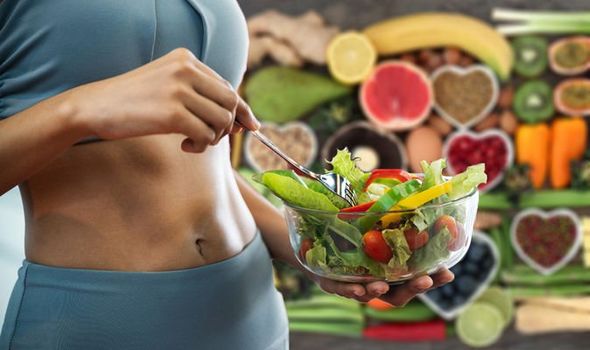
In the pursuit of weight loss, the importance of diet cannot be overstated. While no single food holds the magic key to shedding fat, certain foods can play a crucial role in enhancing fat-burning processes when included in a well-balanced, healthy eating plan. Scientific research has uncovered a variety of foods that can help increase metabolism, improve fat oxidation, and support the body’s natural fat-burning mechanisms. In this article, we’ll explore the top 10 fat-burning foods that are backed by science, and how you can incorporate them into your diet for maximum benefit.
1. Green Tea
Green tea has long been celebrated for its health benefits, but its fat-burning potential is what has garnered the most attention in recent years. The secret lies in catechins, a group of antioxidants found in green tea that have been shown to increase fat metabolism. Research suggests that green tea extract, specifically the compound epigallocatechin gallate (EGCG), can significantly enhance fat oxidation during exercise. By stimulating the body’s ability to burn fat for energy, green tea may help support weight loss when paired with regular physical activity. A study published in the American Journal of Clinical Nutrition found that green tea extract can increase calorie expenditure by about 4%, leading to higher fat-burning rates.
2. Cayenne Pepper
Cayenne pepper, often associated with spiciness, is rich in capsaicin, a compound that can boost metabolism and promote fat burning. Capsaicin has been shown to increase thermogenesis, the process by which the body generates heat and burns calories. Studies indicate that consuming foods containing capsaicin may lead to a slight increase in calorie expenditure and fat oxidation. Additionally, capsaicin has appetite-suppressing effects, which can lead to reduced calorie intake and, over time, support fat loss. Including cayenne pepper in your meals can not only add flavor but also provide a metabolic boost that aids fat burning.
3. Lean Protein (Chicken, Turkey, Fish)
Protein is an essential nutrient that plays a significant role in fat burning, primarily due to its thermic effect. The thermic effect of food (TEF) refers to the energy required for digestion, absorption, and metabolism of food. Protein has the highest TEF compared to fats and carbohydrates, meaning the body burns more calories digesting protein-rich foods. Lean protein sources such as chicken, turkey, and fish are particularly effective because they are low in saturated fat and high in muscle-building amino acids. By increasing protein intake, you can preserve lean muscle mass while promoting fat loss, making these foods a key part of any fat-burning strategy.
4. Berries (Blueberries, Strawberries, Raspberries)
Berries, including blueberries, strawberries, and raspberries, are not only packed with essential vitamins and antioxidants, but they also have fat-burning properties. Rich in fiber and low in calories, berries help control blood sugar levels, which can reduce fat storage. Additionally, the polyphenols in berries—particularly anthocyanins found in blueberries—have been shown to activate genes involved in fat metabolism. Studies have found that individuals who consume high amounts of berries tend to have lower body fat percentages, possibly due to the combination of fiber, antioxidants, and anti-inflammatory effects. The high water content of berries also helps you stay hydrated while keeping hunger at bay.
5. Avocados
Avocados are often viewed as a high-calorie food due to their fat content, but these fats are healthy monounsaturated fats, which can help support fat metabolism. Rich in oleic acid, a type of monounsaturated fat, avocados have been linked to increased satiety and reduced overall calorie intake. The high fiber content of avocados also helps to stabilize blood sugar levels, preventing insulin spikes that can encourage fat storage. In addition, studies have shown that avocados may help reduce belly fat specifically, which is a key area for many individuals concerned with fat loss. Including avocado in your diet can promote healthy fat consumption and keep you feeling full longer, aiding in weight management.
6. Nuts and Seeds (Almonds, Chia Seeds, Flaxseeds)
Nuts and seeds, such as almonds, chia seeds, and flaxseeds, are rich in healthy fats, protein, and fiber—three essential components that contribute to fat burning. Though nuts are calorie-dense, research suggests that the body does not absorb all of the calories from nuts due to their fiber content. A study published in The American Journal of Clinical Nutrition found that participants who consumed almonds daily had a significant reduction in belly fat compared to those who consumed a calorie-matched snack. The combination of protein and healthy fats in nuts and seeds can promote fat oxidation, curb hunger, and stabilize blood sugar levels, making them an excellent choice for those aiming to burn fat and maintain a healthy body composition.
7. Greek Yogurt
Greek yogurt is a protein-rich food that also offers a dose of probiotics, beneficial bacteria that support gut health. Maintaining a healthy gut microbiome has been linked to improved metabolism and fat storage regulation. The high protein content in Greek yogurt not only promotes muscle preservation but also enhances thermogenesis, the calorie-burning process in the body. The probiotics found in yogurt may help balance hormones that influence appetite and fat storage, such as cortisol and ghrelin. Studies have suggested that individuals who consume probiotics may experience a reduction in abdominal fat, making Greek yogurt a helpful addition to a fat-burning diet.
8. Apple Cider Vinegar
Apple cider vinegar has gained popularity as a potential weight-loss aid due to its impact on fat metabolism. One of the primary active ingredients in apple cider vinegar is acetic acid, which has been shown to reduce fat storage and increase fat-burning in the body. A study published in Bioscience, Biotechnology, and Biochemistry found that participants who consumed 1-2 tablespoons of apple cider vinegar daily experienced significant reductions in body fat and waist circumference. Apple cider vinegar is believed to work by stabilizing blood sugar levels and improving insulin sensitivity, both of which can help regulate fat storage. To enjoy its benefits, dilute apple cider vinegar in water or use it as a salad dressing.
9. Green Leafy Vegetables (Spinach, Kale, Swiss Chard)
Green leafy vegetables like spinach, kale, and Swiss chard are low in calories but packed with nutrients, making them excellent choices for weight management. These vegetables are rich in fiber, which helps control hunger by promoting satiety. Additionally, they contain magnesium, a mineral that plays a role in regulating fat metabolism. Magnesium has been shown to enhance the activity of enzymes involved in fat burning, thus supporting fat loss. The high antioxidant content in these vegetables also helps reduce inflammation, a condition that can hinder fat loss. By incorporating more leafy greens into your meals, you can create a nutrient-dense, low-calorie foundation for your fat-burning diet.
10. Coconut Oil
Coconut oil is a popular fat-burning food that contains medium-chain triglycerides (MCTs), a type of fat that is metabolized differently from other fats. MCTs are rapidly absorbed and used by the body for energy, rather than being stored as fat. Studies have found that MCTs can increase the thermic effect of food, promoting greater calorie burning. Additionally, MCTs have been shown to reduce appetite, helping to control overall calorie intake. Replacing traditional cooking oils with coconut oil may provide a metabolic boost and support fat loss, particularly when combined with a balanced diet and regular exercise.
Conclusion
While no single food will miraculously melt away fat, certain nutrient-dense, science-backed foods can significantly enhance the body’s fat-burning processes. From boosting metabolism with green tea and cayenne pepper to promoting fat oxidation with lean proteins and healthy fats from avocados, incorporating these foods into your diet can provide a powerful foundation for achieving your fat-loss goals. Remember, consistency is key. When paired with a balanced diet and regular exercise, these fat-burning foods can help you achieve sustainable weight loss and improved body composition, contributing to long-term health and well-being.