Digital X-Rays: Safer and Faster Dental Imaging
Modern dentistry depends on accurate diagnostics delivered quickly and safely. Digital X-rays have transformed dental imaging by reducing radiation exposure, speeding up diagnosis, and improving patient comfort. Compared with traditional film-based methods, digital imaging offers sharper results with fewer delays—benefits that matter for both patients and clinicians.
What Are Digital Dental X-Rays?
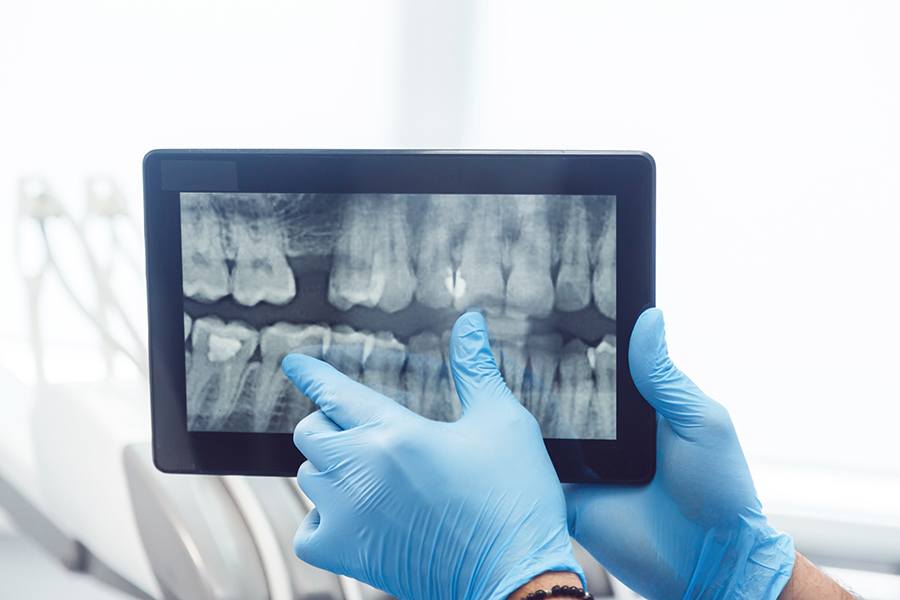
Digital dental X-rays capture images using electronic sensors instead of photographic film. The data is instantly converted into high-resolution images that appear on a computer screen within seconds. Dentists can zoom, enhance contrast, and analyze specific areas with precision—often identifying issues earlier than before.
How Digital X-Rays Work
The process is straightforward and efficient:
-
A small electronic sensor is placed in or around the mouth
-
A brief, low-dose X-ray exposure is taken
-
The image is instantly processed and displayed on-screen
-
The dentist can adjust brightness and magnification for clarity
This streamlined workflow eliminates chemical processing and long wait times.
Why Digital X-Rays Are Safer
Safety is one of the strongest reasons dental practices have moved to digital imaging.
Key safety advantages include:
-
Up to 80–90% less radiation than traditional film X-rays
-
Shorter exposure times
-
No chemical developers, reducing environmental impact
-
Improved accuracy, which limits the need for retakes
For children, seniors, and patients requiring frequent imaging, this reduction in exposure is especially important.
Faster Results, Better Decisions
Digital X-rays dramatically shorten appointment times. Images are available immediately, allowing dentists to discuss findings in real time and begin treatment sooner.
Speed benefits include:
-
Immediate diagnosis
-
Fewer repeat visits
-
Faster emergency assessments
-
Seamless image sharing with specialists
This efficiency improves patient experience while helping clinics maintain smoother schedules.
Types of Digital Dental X-Rays
Dentists use different digital X-rays depending on diagnostic needs:
-
Bitewing X-rays – Detect cavities between teeth
-
Periapical X-rays – Examine tooth roots and surrounding bone
-
Panoramic X-rays – Capture the entire mouth in a single image
-
Cephalometric X-rays – Common in orthodontic planning
Each type offers detailed insight with minimal exposure.
Enhanced Accuracy and Image Quality
Digital technology allows dentists to fine-tune images for better interpretation. Adjustments to contrast and sharpness help identify:
-
Early-stage cavities
-
Bone loss from gum disease
-
Impacted teeth
-
Hidden infections or fractures
This level of clarity supports more accurate treatment planning and reduces guesswork.
Environmental and Long-Term Benefits
Beyond clinical advantages, digital X-rays are also environmentally responsible. They eliminate the need for film, chemicals, and physical storage, while digital files are securely archived and easily retrieved.
Long-term advantages include:
-
Lower operational costs
-
Reduced waste
-
Secure electronic recordkeeping
-
Easier collaboration with other dental professionals
Are Digital X-Rays Right for Every Patient?
In most cases, yes. Digital X-rays are suitable for routine checkups, diagnostics, and treatment planning. Dentists tailor imaging frequency based on individual risk factors, ensuring patients receive only what is necessary.
The Future of Dental Imaging
Digital X-rays continue to evolve alongside advances like 3D imaging, AI-assisted diagnostics, and cloud-based record systems. These innovations promise even greater precision, faster workflows, and enhanced patient safety in the years ahead.
Frequently Asked Questions (FAQs)
1. How often should digital dental X-rays be taken?
The frequency depends on oral health, age, and risk factors. Your dentist determines the schedule based on individual needs.
2. Can digital X-rays detect problems that visual exams miss?
Yes. They reveal issues such as internal decay, bone loss, and infections that are invisible during routine exams.
3. Are digital X-rays safe during pregnancy?
With proper shielding and only when necessary, digital X-rays are considered safe. Always inform your dentist if you are pregnant.
4. Do digital X-rays hurt or cause discomfort?
No. The sensors are small and exposures are brief, making the process quick and generally comfortable.
5. How long are digital X-ray records stored?
Digital records can be securely stored for many years, depending on clinic policy and legal requirements.
6. Can digital X-rays be shared with other dentists or specialists?
Yes. Images can be securely shared electronically, supporting faster referrals and collaborative care.
7. Are digital X-rays more expensive than traditional X-rays?
While the technology costs more initially for clinics, patients typically do not see higher fees—and benefit from better safety and efficiency.